When I think about the Pacific Northwest, I do not see it as just a location on a map. I experience it as a living presence. It stays in the mind like a quiet rhythm that never fades. This is the world that inspired From Gorge to Ocean: The Columbia’s Wild Wonders, and it is also the world that continues to shape how I see storytelling itself.
The River That Feels Alive
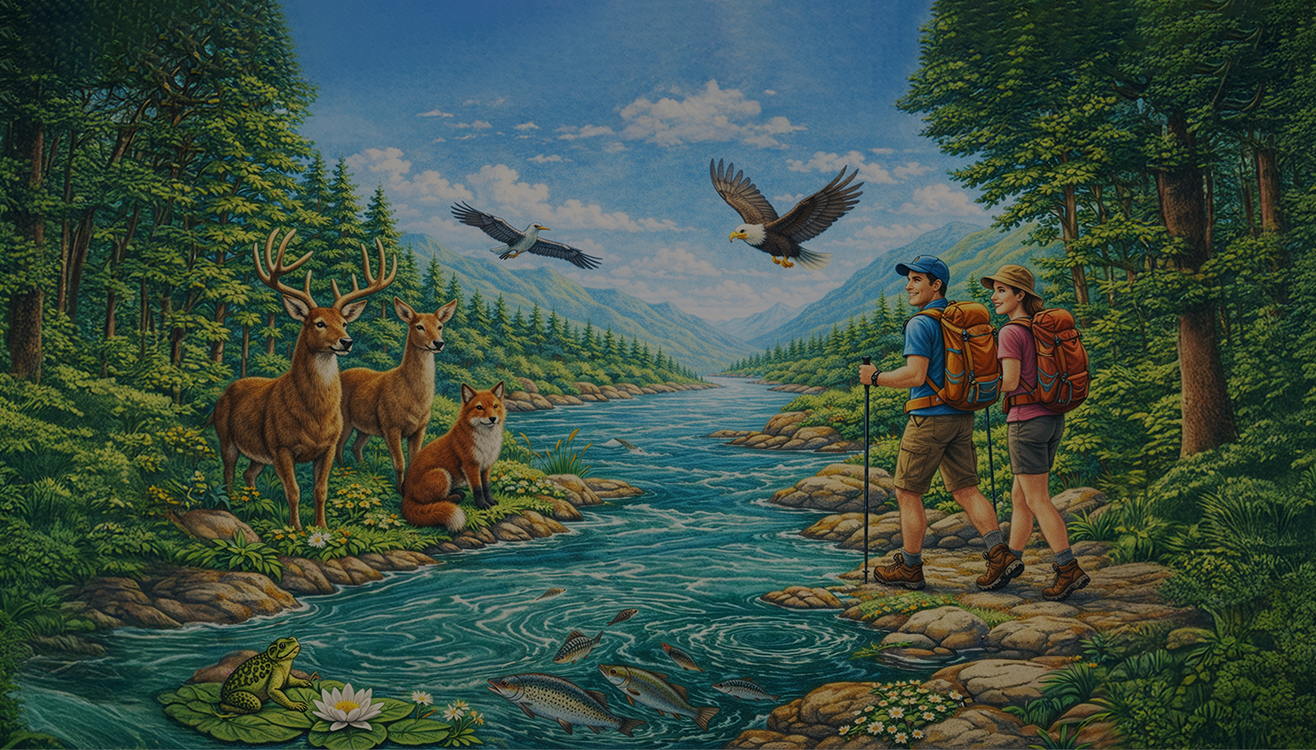
The Columbia River has always felt like more than flowing water. It feels like a journey that is constantly unfolding. It begins in forested spaces filled with stillness, moves through deep carved gorges, and finally opens into the vast Pacific Ocean. Each stage feels like a new voice in a larger story. While creating this book, I often imagined the river speaking through movement. The water carries sound, memory, and life. Eagles glide above it. Salmon move within it. Wind travels across it. Everything feels connected in a natural rhythm that is both simple and powerful.
A Landscape That Teaches Us to Notice
The Pacific Northwest has a way of slowing people down. It invites attention in a gentle manner. Trees, rivers, and skies do not demand anything. They simply exist with quiet confidence. That presence teaches us to observe more closely. This region reveals how everything is linked. Forests support wildlife. Rivers nourish land. Ocean currents complete the cycle. Human life exists within this same system. That understanding became one of the most important inspirations behind the book.
Wildlife as Living Storytellers
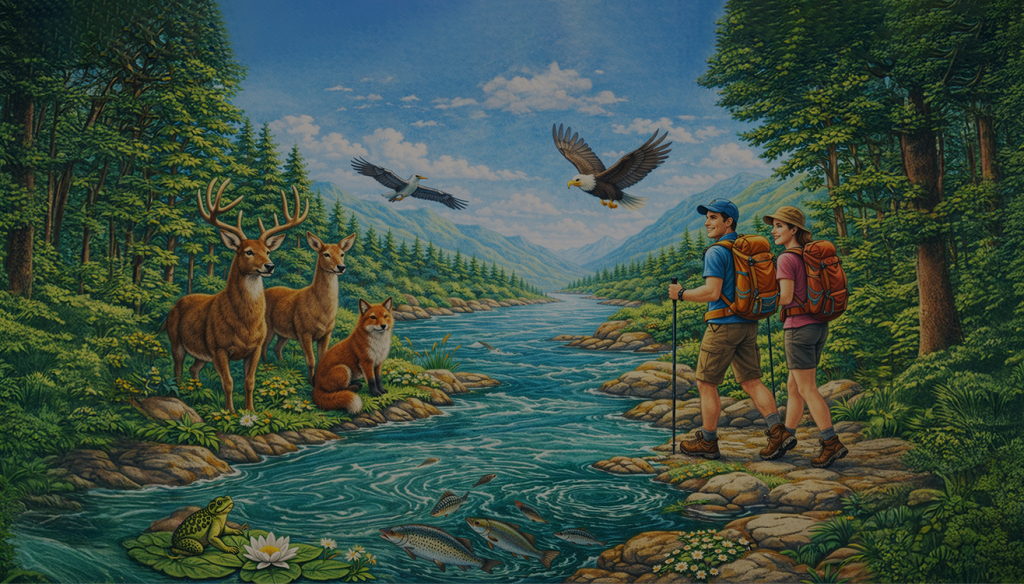
The animals of this region feel like characters already written into nature’s own story. Eagles represent freedom in the sky. Salmon represent persistence in the water. Deer, coyotes, and bobcats move quietly through forests and shorelines. Each creature has a role that feels purposeful and connected. While writing, I imagined children meeting these animals for the first time through the pages. That moment of recognition matters deeply. It creates curiosity. It builds connection. It allows young readers to see nature as something alive rather than distant.
Why Rhythm Became the Heart of the Book
Rhythm became an important part of storytelling because it mirrors the flow of water. The river does not move in straight lines. It curves, pauses, and continues forward. Rhyming verses help reflect that natural movement.
I wanted reading to feel like listening. I wanted children to sense motion in language itself. That approach turns each page into something closer to a song than a lesson.
A Shared World Between People and Nature
The Columbia River is not only a natural wonder. It is also part of human life. Families walk along its edges. Children explore its banks. Communities depend on its presence in both visible and invisible ways. This connection is important because it reminds us that nature is not separate from us. It is part of our daily experience. It shapes how we live, even when we do not always notice it.
What I Hope Readers Feel
I hope readers feel curiosity when they turn each page. I hope they sense wonder when they meet each animal in the story. I hope they begin to see the natural world as something full of detail, movement, and meaning. I also hope the book creates small moments of pause. A moment where a child stops and asks a question about a bird in the sky or a fish in the river. Those moments become the beginning of understanding.
Closing Reflection
The Pacific Northwest continues to feel like a teacher in my life. It shows patience through forests. It shows strength through rivers. It shows depth through oceans. Most importantly, it shows the connection between all living things. This book grew from that connection. It carries the rhythm of water, the presence of wildlife, and the quiet beauty of landscapes that continue to inspire me. Read From Gorge to Ocean: The Columbia’s Wild Wonders and step into that journey. Let the river carry you forward and discover the world as it sings.